Quick Picks
-
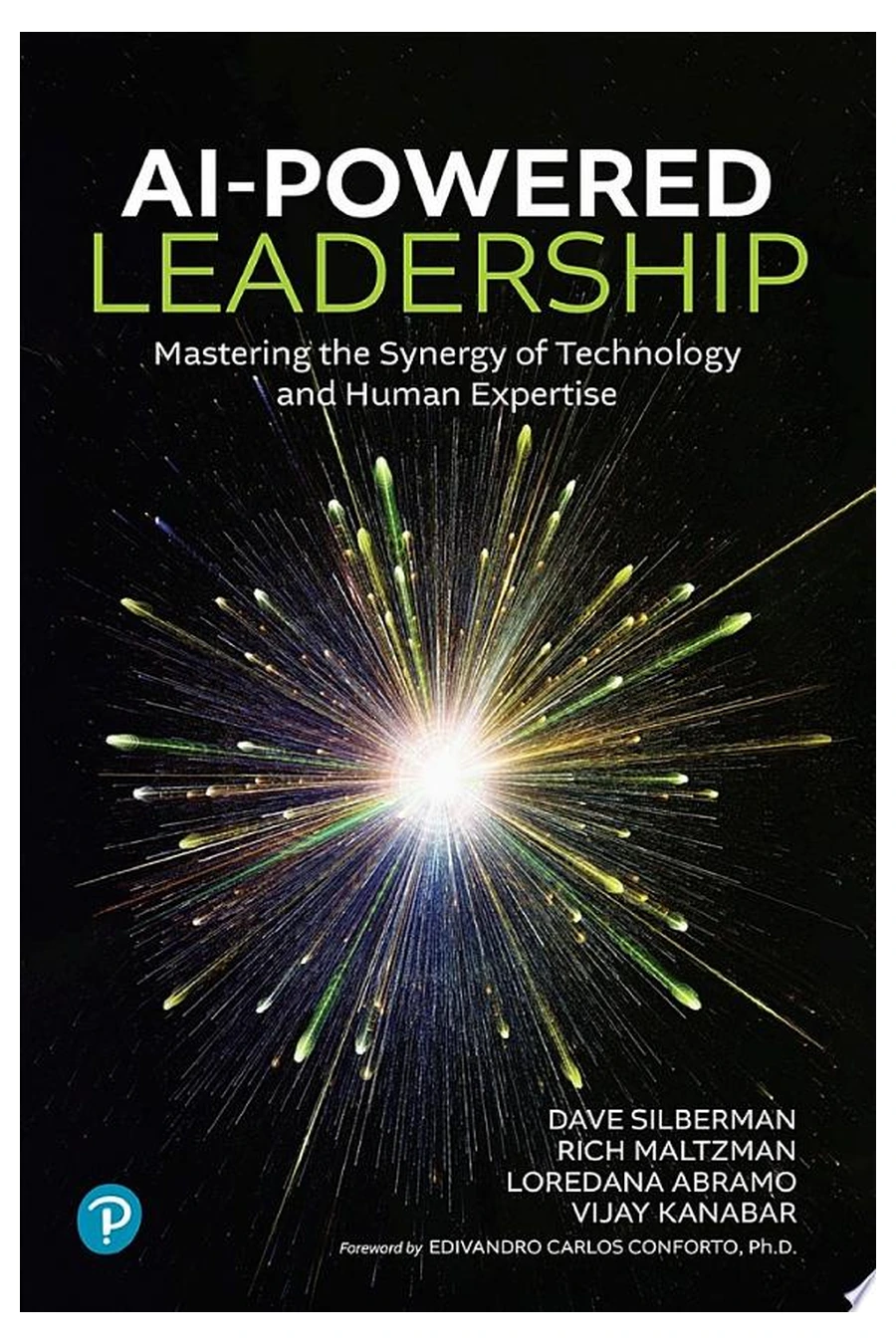 Best overall AI-Powered Leadership The strongest all-round AI leadership book here: it works as both a management model and a plain-English guide to how AI systems behave.
 -
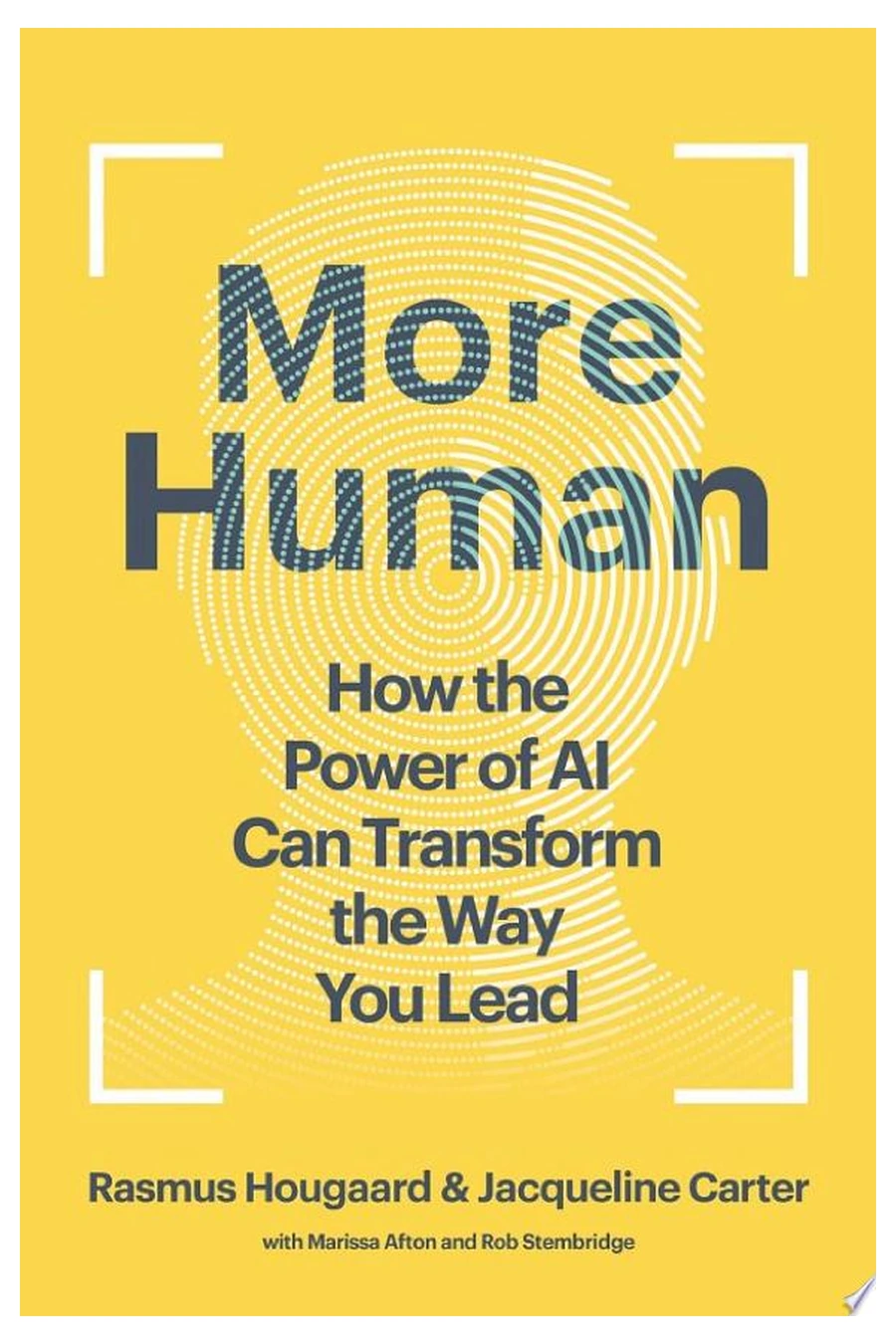
Best AI manager behavior More Human Treats AI as a management shift: coaching, judgment, and empathy ahead of tooling.
-
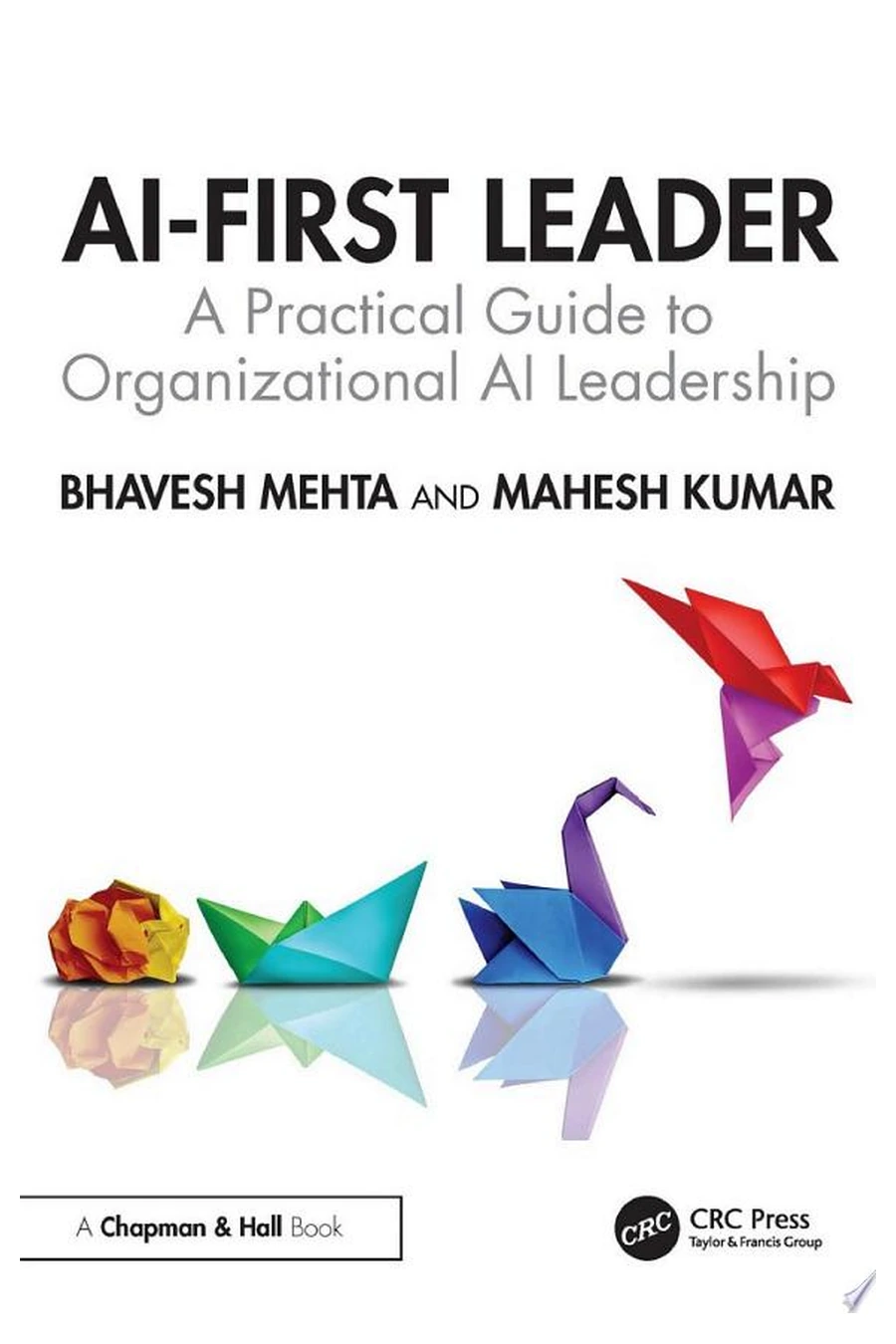
Best rollout blueprint AI-First Leader Sequences infrastructure, evaluation, and deployment around a running NovaBridge Health scenario.
Which AI Leadership Book Should Executives Read First?
The best AI leadership book for executives to read first is AI-Powered Leadership. Seven of the 9 picks below were published in 2025, and the table uses Level because Goodreads data is still thin on most of them. This comparison is for executives and managers narrowing the shortlist before choosing a section below.
| Title | Level | Best For | Length (pages) |
|---|---|---|---|
| 01AI-Powered Leadership (2025) | Executive | Leadership model | 273 |
| 02More Human (2025) | Executive | AI manager behavior | 176 |
| 03AI-First Leader (2025) | Executive | AI rollout | 208 |
| 04The AI-Savvy Leader (2024) | Executive | Adoption framework | 224 |
| 05Superagency (2025) | Executive | Strategic framing | 288 |
| 06AI and the Future of Leadership (2025) | Intermediate | Hybrid leadership | 92 |
| 07The Definitive Guide to Responsible AI (2025) | Intermediate | Control systems | 230 |
| 08AI Snake Oil (2024) | Executive | Hype detection | 360 |
| 09The AI Con (2025) | Executive | Power critique | 288 |
What Are the Best AI Leadership Books?
The best AI leadership books are AI-Powered Leadership by Dave Silberman and three co-authors at Boston University and PMI, More Human by Potential Project's Rasmus Hougaard and Jacqueline Carter, and AI-First Leader by Bhavesh Mehta and Mahesh Kumar. The three books cover an integrated AI leadership model, the manager-level changes that follow, and the operational work of a serious rollout.
1. AI-Powered Leadership: Mastering the Synergy of Technology and Human Expertise (2025)
AI-Powered Leadership is written for leaders who want a book that takes both management and technology seriously. The four authors — Dave Silberman, Rich Maltzman, Loredana Abramo, and Vijay Kanabar, all teaching in the Project Management programs at Boston University Metropolitan College — build the argument through a Both/And framework for human-and-machine work, a plain-English explanation of how modern AI systems actually behave, and a model for where human judgment leads, where systems assist, and how the two stay aligned. The book frames AI leadership as a judgment problem, not a tooling problem.
It earns the top spot because the argument is sharper than the cover suggests. The authors open with an extended product-leader scenario (a manager balancing growth, customer loyalty, team capacity, and delivery-risk trade-offs) that unfolds like an executive decision memo. That opening case sets up the Both/And stance: decide deliberately where humans lead and where AI assists.
Compared with More Human (entry #2), AI-Powered Leadership places the leadership problem on the system itself: how AI works and where leaders need to interpret, question, and align it. More Human puts the same problem on manager behavior, coaching, and human development. Both are executive-level and both are worth reading, but they answer different questions.
Choose this first if you run programs, functions, or portfolios and need one book that holds up in both performance and technical conversations. The authors tie collaboration, oversight, and adaptive human skills to concrete execution decisions, so it works in cross-functional settings where an executive has to push back on vendor claims and speak credibly with technical specialists. If manager empathy, coaching, and human development are your first concern, read entry #2 (More Human) instead.
2. More Human: How the Power of AI Can Transform the Way You Lead (2025)
What it's about: A human-performance AI leadership book from Rasmus Hougaard, a Thinkers50 Top 8 Leadership Thinker and author of 53 Harvard Business Review articles, and Jacqueline Carter, both senior partners at Potential Project. More Human treats AI as a lever for better management, drawing on leaders at Accenture, Cisco, IKEA, and Mastercard, plus survey work across 28 countries and 14 industries, and arguing for awareness, wisdom, and compassion as the skills AI should amplify.
Aiifi's Take: More Human works best when the leadership problem is managerial behavior. The Human Leader Compass organizes the material, and its thinking translates cleanly into meetings, judgment calls, and coaching decisions managers can change on Monday. You will not get much on governance architecture or board controls, which is why it fits CEOs, CHROs, and team leaders focused on how they and their managers actually lead.
3. AI-First Leader: A Practical Guide to Organizational AI Leadership (2025)
What it's about: Bhavesh Mehta and Mahesh Kumar, drawing on AI leadership roles at Uber and Cisco, write for executives, CTOs, and product leaders who need a step-by-step rollout book. It moves through machine learning, generative AI, AI agents, model evaluation, infrastructure, and responsible deployment, using a fictional NovaBridge Health transformation as the running example.
Aiifi's Take: If your organization is past curiosity and now needs sequencing, AI-First Leader is the clearest operational read here. The NovaBridge Health thread keeps it grounded in concrete choices around piloting, measurement, and responsible launch. The early sections lean long on setup before the payoff starts, so readers who already know the basics should skim the first third. It fits COOs, CTOs, digital leads, and founders building an actual program.
Which AI Books Help Leaders Build Strategy and Judgment?
The best AI books on executive strategy and judgment are The AI-Savvy Leader by David De Cremer, Superagency by Reid Hoffman and Greg Beato, and AI and the Future of Leadership by Adrian Jarvis. De Cremer offers a nine-action executive framework, Hoffman and Beato argue for iterative deployment, and Jarvis sketches a hybrid-organisations model for human-machine collaboration.
4. The AI-Savvy Leader: Nine Ways to Take Back Control and Make AI Work (2024)
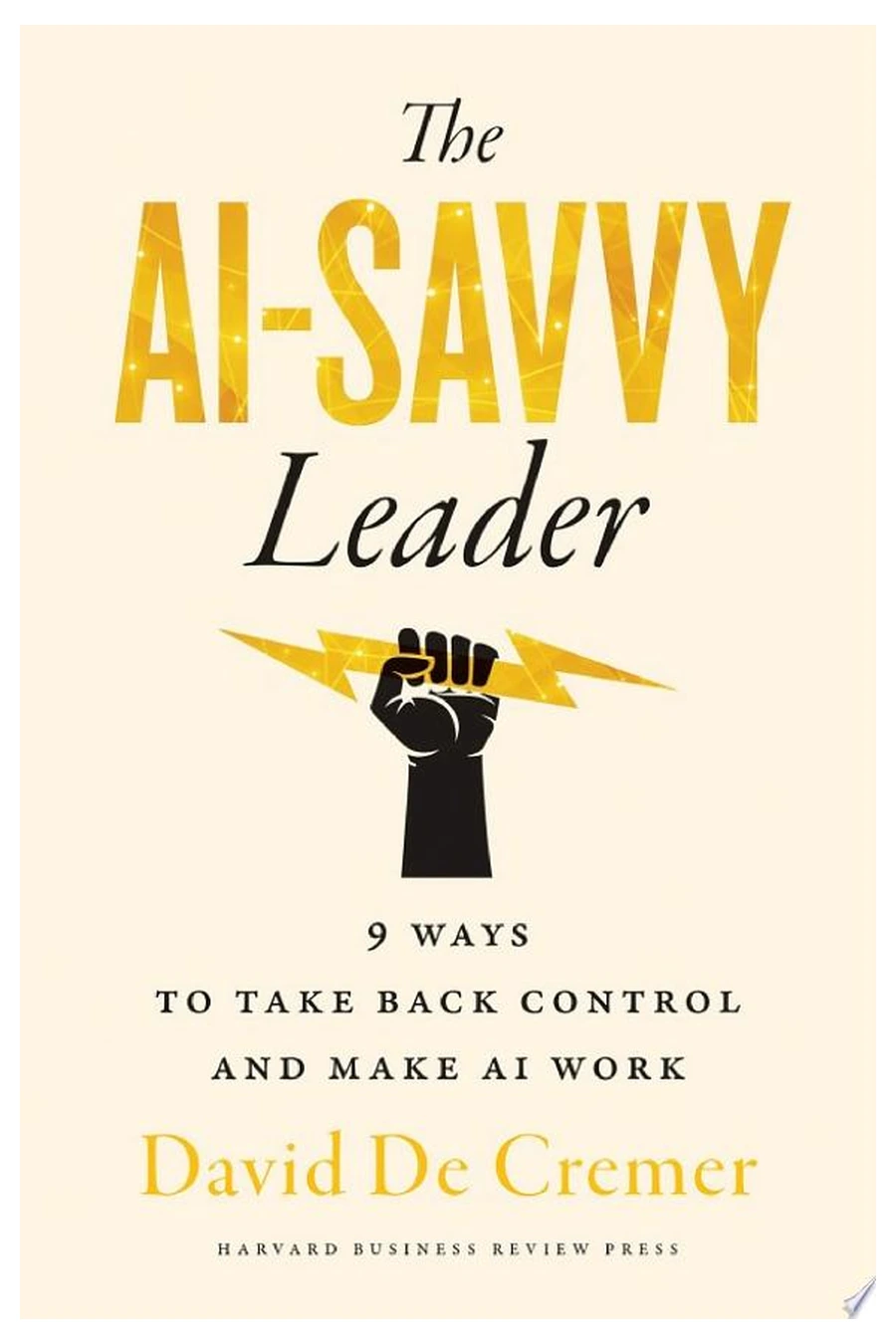
The argument David De Cremer, dean of Northeastern's D'Amore-McKim School of Business, makes is that leaders are outsourcing too much AI understanding to vendors and technical staff, and that the cost of doing so shows up in failed deployments and bad governance. The 224-page Harvard Business Review Press book builds the recovery argument around nine leadership actions: vision-setting, purpose, communication, empathy, mission, emotional intelligence, flat-communication culture, augmentation over automation, and strategic execution. Published in June 2024, it focuses on executive judgment over model architecture.
De Cremer's strongest contribution is the framing of AI deployment as a leadership problem before a technology problem. Each of the nine actions maps to a recognizable executive scenario: setting AI vision before vendor selection, communicating direction before tooling, choosing augmentation over replacement when designing the operating model. The chapter on flat-communication culture and the one on augmenting jobs (instead of automating them) are the framework's most memorable moves in an off-site or board policy discussion. The book reached #1 new-release on Amazon at launch and was named a must-read by both the Financial Times (Book of the Month, June 2024) and Forbes.
Peter High, Forbes, January 2025"A compelling guide for leaders to take charge of AI transformation in their organizations."
Compared with AI-First Leader at #3, De Cremer stays at the principles-and-judgment layer where Mehta and Kumar work the rollout-mechanics layer; the two pair naturally for executives who need both the why and the how. Compared with The Definitive Guide to Responsible AI at #7, De Cremer is much lighter on control architecture and procedural detail; his nine actions sit on top of the governance Trinckes documents, rather than competing with it.
Read this if you are a CEO, divisional lead, board member, or senior executive setting AI principles before your organization picks vendors or builds an operating model. Best for the leadership team that has been deferring too much to technical staff and needs to take the AI direction back. Pick entry #3 instead if you need step-by-step rollout sequencing rather than principles. Pick entry #7 if your responsibility runs to the AIMS, AI risk register, and audit trail.
5. Superagency: What Could Possibly Go Right with Our AI Future (2025)

What it's about: Published by Simon & Schuster in January 2025, Superagency makes its case for AI optimism on business and policy grounds. Reid Hoffman, LinkedIn co-founder and Greylock partner, and Greg Beato argue that iterative deployment is itself a safety mechanism, that code increasingly carries the work of law, and that networked autonomy is a route to expanded human agency.
Aiifi's Take: Superagency makes the most coherent optimistic case on this page. The Kokobot example carries the weight of the argument: public exposure surfaced failure modes that a closed pilot would have missed. The book inherits Hoffman's own LinkedIn and Greylock perspective, so readers wanting balance should pair it with the governance picks below. Founders, board members, and executives setting high-level direction will get the most from it; operators looking for a step-by-step management manual should pick something else.
6. AI and the Future of Leadership: Opportunities and Threats for Hybrid Organisations (2025)
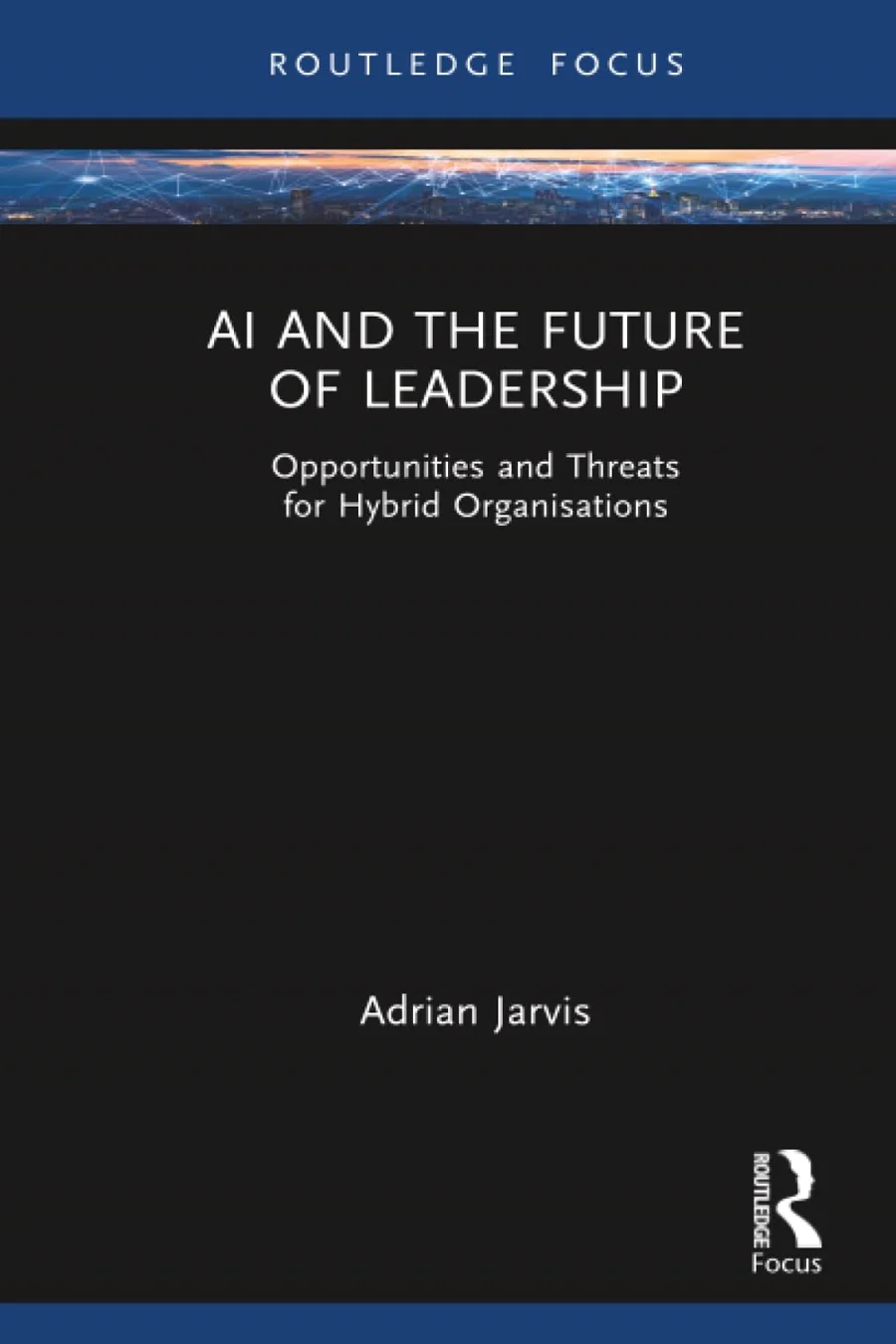
What it's about: At 92 pages, Adrian Jarvis's AI and the Future of Leadership is the shortest book on this list: a tight theoretical framework instead of a long case-led monograph. Published by Routledge in November 2025, it moves from AI opportunities, threats, and resistance to a model of hybrid organisations built around human-machine collaboration, strategy, and ethics.
Aiifi's Take: Jarvis pulls leadership theory and AI practice into a single compact argument. The leadership-challenges and hybrid-organisations material is where the hybrid-intelligence model becomes concrete; the treatment of AI resistance is thinner and stops short of guidance a manager can act on. Best for L&D heads, researchers, and executives who want a short orientation before committing to a longer book.
Which AI Books Help Leaders Govern Artificial Intelligence Responsibly?
The best AI books on governance are The Definitive Guide to Responsible AI by John J. Trinckes Jr., AI Snake Oil by Princeton's Arvind Narayanan and Sayash Kapoor, and The AI Con by linguist Emily M. Bender and sociologist Alex Hanna. Trinckes covers the internal control environment, Narayanan and Kapoor test vendor claims, and Bender and Hanna argue the labor and power case against hype.
7. The Definitive Guide to Responsible AI (2025)
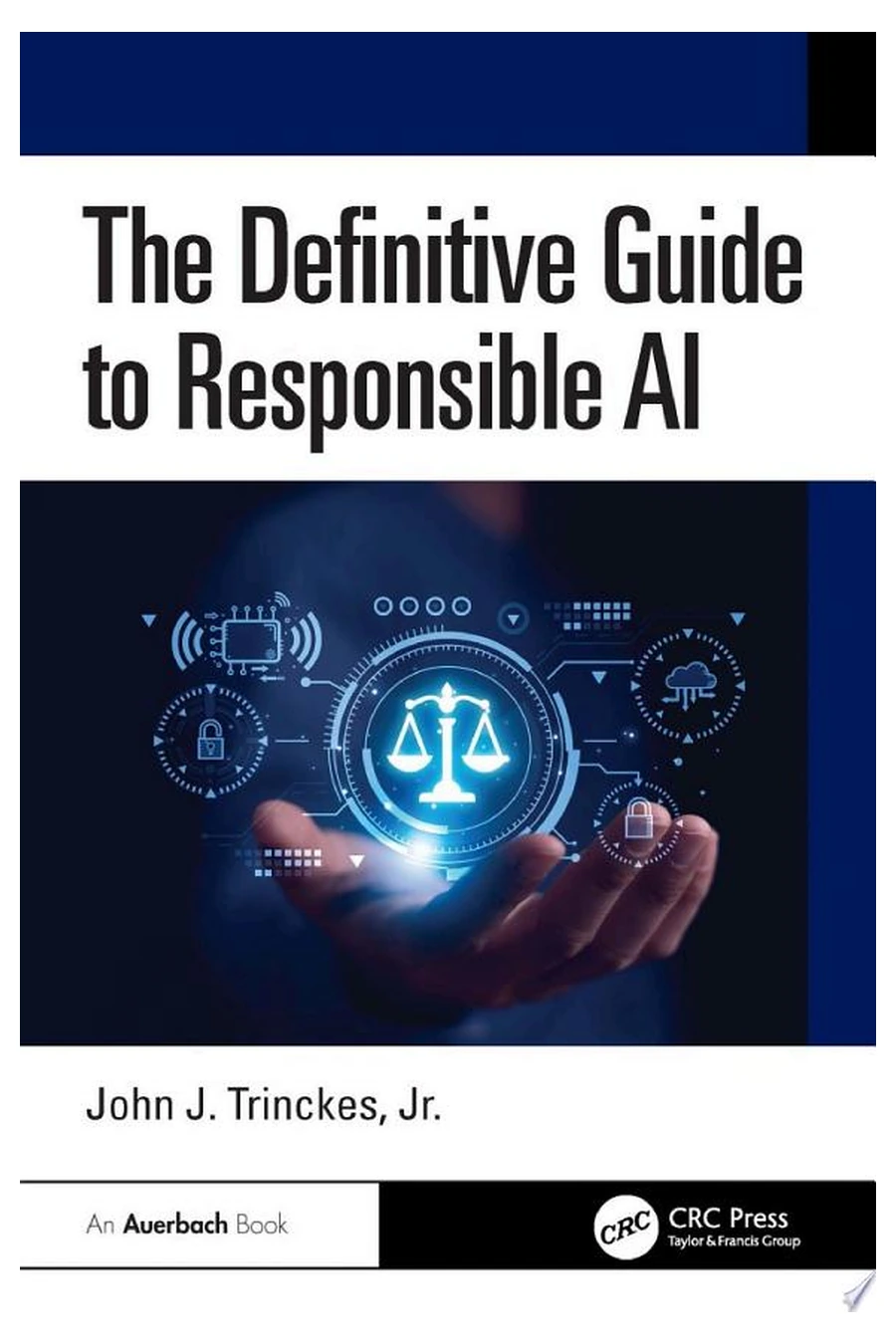
John J. Trinckes Jr.'s argument is that "responsible AI" only counts when it becomes routine governance work — documented, measured, audited, and owned by named roles. The 230-page Routledge volume, published in December 2025, treats responsible AI as a control-environment problem and walks through AI risk management, the Artificial Intelligence Management System (AIMS) standard derived from ISO/IEC 42001, performance measurement, AI impact assessments, GDPR-style privacy controls, and the documentation chain behind trustworthy enterprise deployment.
The book's defining contribution is its conversion of high-level responsible-AI commitments into specific governance artifacts: a register of AI systems, an impact assessment template, an oversight role definition, a measurement framework for fairness and accountability, and an audit trail tying decisions back to documented policy. Trinckes brings two decades of CISO and risk-leadership experience and writes in the operating language of the GRC profession rather than the leadership-philosophy register most AI books default to. The chapter on building an AIMS and the one on measuring responsible AI performance are the most concrete operationalization of responsible AI principles in any 2025 book on this list.
Compared with AI Snake Oil at #8, Trinckes works inside the organization's control environment where Narayanan and Kapoor work outside it: AI Snake Oil tests vendor claims; Trinckes builds the apparatus that ensures whichever vendor you pick gets used safely. Compared with The AI Con at #9, Trinckes is procedural where Bender and Hanna are polemic: he writes for the chief AI officer drafting a policy memo, while they write for the executive challenging hype in a strategy meeting.
Read this if you are a chief AI officer, chief privacy officer, head of internal audit, security and compliance lead, or risk-committee member responsible for an Artificial Intelligence Management System. Most CEOs will find the operating depth heavier than they need for a first read; pick entry #4 instead if you want principles before procedure. Pick entry #8 if your immediate problem is evaluating an AI vendor pitch rather than designing the control environment around it.
8. AI Snake Oil: What Artificial Intelligence Can Do, What It Can't, and How to Tell the Difference (2024)
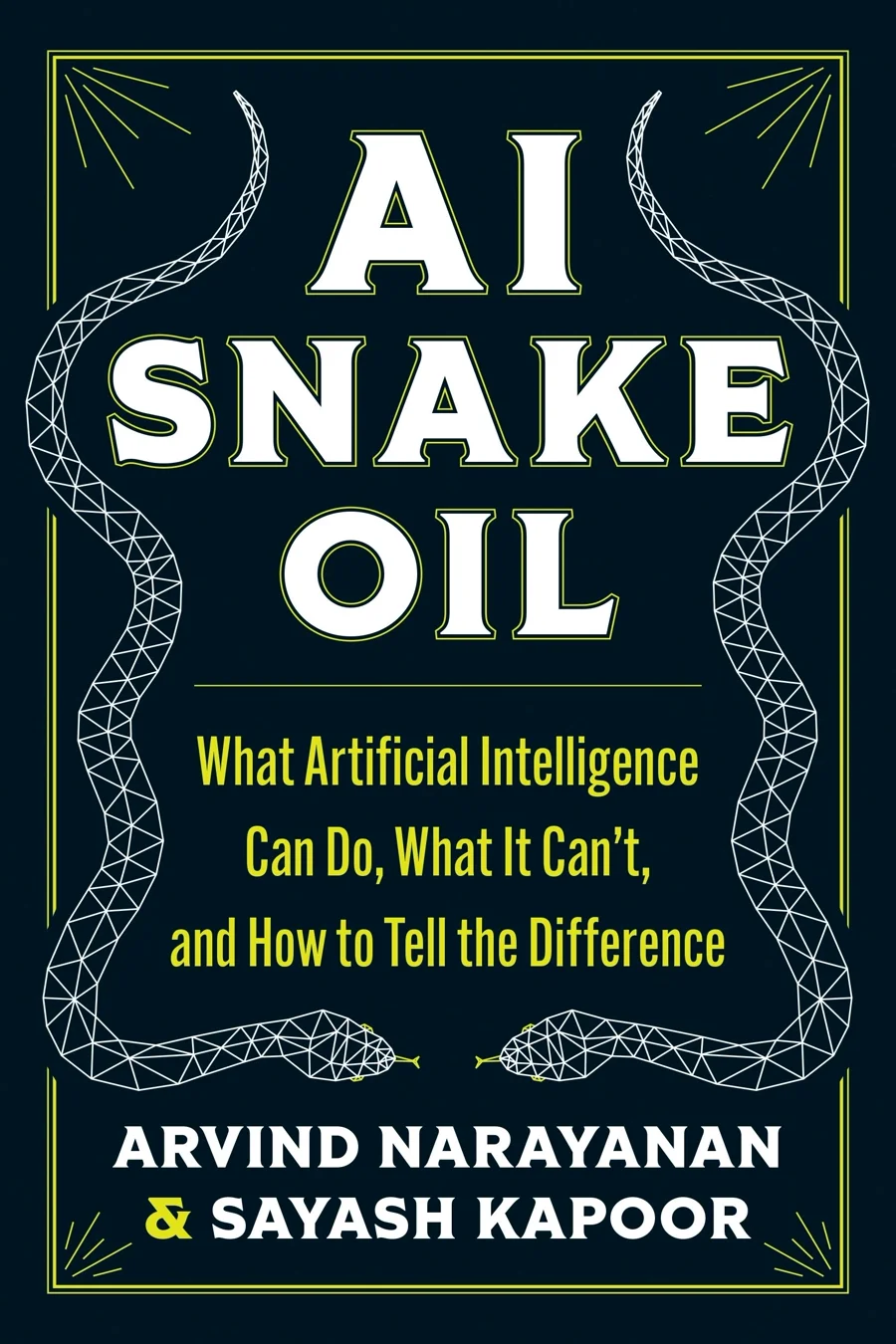
What it's about: Princeton computer scientists Arvind Narayanan and Sayash Kapoor separate useful AI from products that do not work as advertised. Across 360 pages, the book covers predictive AI, generative AI, and deepfakes, with case studies drawn from hiring, banking, medicine, and content moderation, showing where weak systems create measurable harms today, well ahead of any long-range AI risk.
Aiifi's Take: AI Snake Oil is the book to read before approving an AI purchase, a scoring system, or a high-stakes deployment. The COMPAS, sepsis-prediction, and moderation cases tie the argument to procurement, policy, and product decisions instead of broad anti-AI rhetoric. It is drier and less manager-oriented than the HBR-style titles above, but far better for buyers, boards, auditors, and executives testing vendor claims.
9. The AI Con: How to Fight Big Tech's Hype and Create the Future We Want (2025)
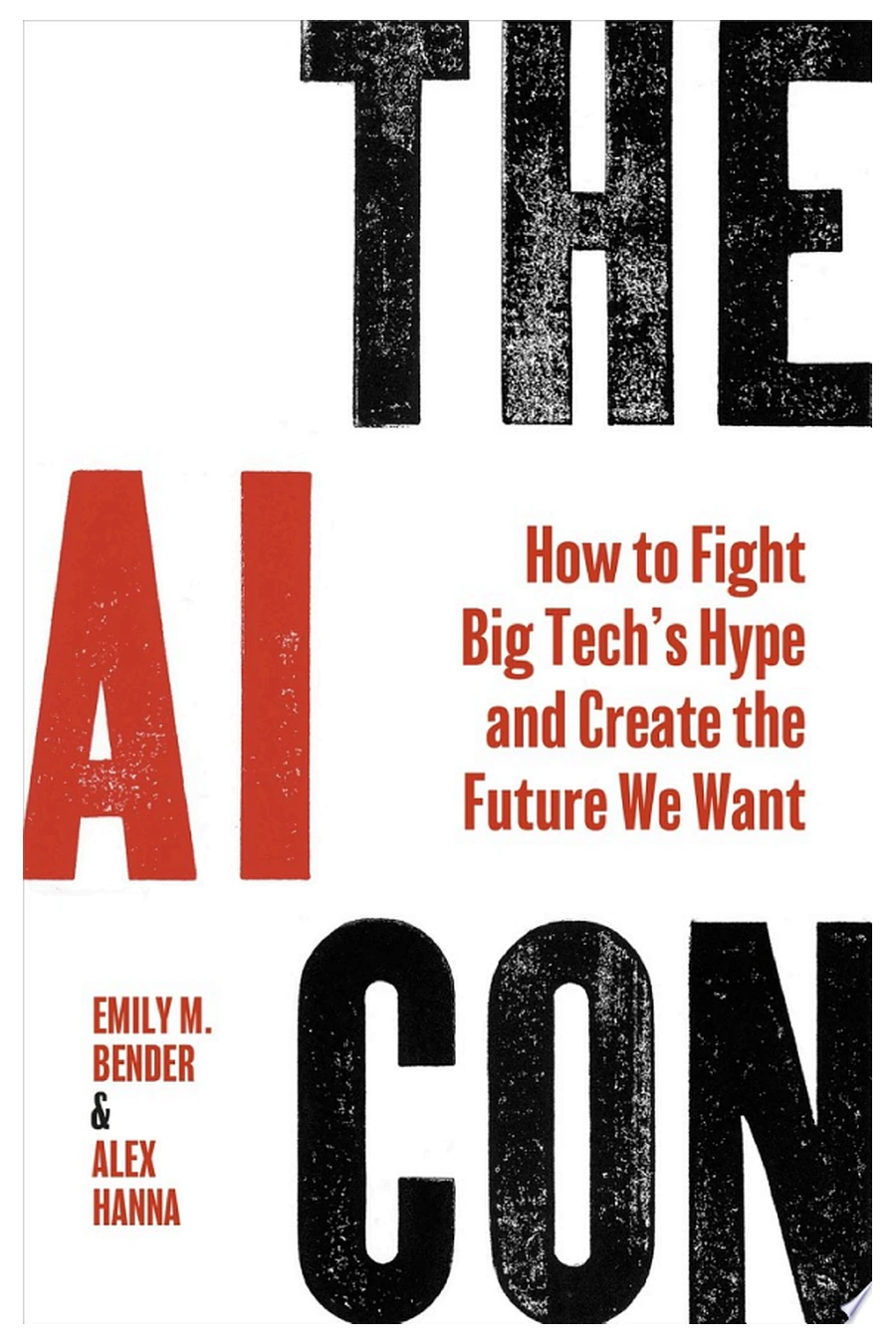
What it's about: University of Washington linguist Emily M. Bender and DAIR Institute director Alex Hanna aim The AI Con squarely at industry hype, treating AI as a question of language, labor, and power. Published by Bodley Head in May 2025, the 288-page book moves from thinking-machine hype to gig work, social systems, art, and public policy.
Aiifi's Take: The AI Con is most useful as a language set for leaders who need to challenge hype in rooms where AI is treated as inevitable. Examples like Galactica, Deadspin, and Clever Hans show how Bender and Hanna tie model failure to the labor and incentives behind it. The tone is argumentative, which makes the book well suited to executives pushing back on vendor overclaims about surveillance capability and productivity lift.
How We Chose These AI Leadership Books
I reviewed more than 25 AI leadership, executive, management, strategy, governance, and responsible-AI books published between 2024 and 2026. Every candidate was checked against the criteria below before the final ranking was set. The list prioritizes books that help leaders decide how AI changes teams, organizational judgment, governance, and rollout choices; books written mainly for ML engineers were excluded.
Market context in 2026
- 88% of respondents say their organizations regularly use AI in at least one business function, and 71% report regular gen AI use (McKinsey, The State of AI: Global Survey 2025).
- More than three quarters of leaders and managers say they use generative AI several times a week, but regular frontline use is still only 51% (BCG, AI at Work 2025: Momentum Builds, but Gaps Remain).
- 82% of leaders said they expect to use AI-driven digital labor within 12 to 18 months (Microsoft, 2025 Work Trend Index).
The final 9 are organized into three sections: AI leadership, strategy and judgment, and governance. Each book was judged on four criteria:
- Leadership centrality: AI had to be tied directly to leadership, management, organizational design, governance, or executive decision-making. Books that were smart but slanted toward technical detail, speculation, or model-building were cut.
- Decision value: The strongest books on this list help leaders decide where to deploy AI, where to redesign work, how to govern risk, and where human judgment still matters most.
- Quality signals: Established publishers, authors with recognizable management, research, or operating credibility, and books offering specific internal frameworks, not recycled conference-talk language.
- Freshness: Books written for the post-ChatGPT leadership environment were prioritized. Most of the list comes from 2025, while the two older titles stayed because they still beat most newer books on executive adoption framing and hype detection.
Because most of these titles are new, niche, or both, their Goodreads data is too thin to be a useful comparison signal. The table therefore uses Level instead of ratings; where ratings exist, they were treated as a weak secondary signal, not a ranking factor. AI leadership books rarely receive trade-press review coverage from Publishers Weekly, Kirkus, or Library Journal, so trust signals come from publisher reputation (HBR Press, Routledge, Simon & Schuster), award recognition (Forbes Top 10 Tech Books, FT Business Book of the Year), and named-author institutional credentials rather than critic citations.
I excluded four categories: broad-AI books not centered on leadership decisions (Mollick, Bornet et al., Davenport), AI alignment or containment books (Russell, Suleyman), economics-of-AI titles (Agrawal, Gans, Goldfarb), and books shallow, promotional, narrowly focused on prompting, or derivative of newer titles already on the list. The full list of nine well-known AI books I considered but did not include sits in the next section. This page is editorially independent. No item is paid or sponsored, and affiliate relationships do not influence which books are selected.
Who should skip this book list
Machine learning engineers building models, evals, or deployment pipelines should skip this book list and read Chip Huyen's Designing Machine Learning Systems instead. The 9 picks here are weighted toward executive leadership, rollout choices, and governance decisions, so they spend more time on management judgment than on architectures or implementation detail.
AI Leadership Books I Considered but Did Not Include
These nine AI books appear regularly on executive reading lists, sibling Aiifi guides, and AI-generated reading-list summaries. Each was reviewed against the four criteria above and excluded for a specific reason, listed here so readers can decide for themselves whether the exclusion fits their needs.
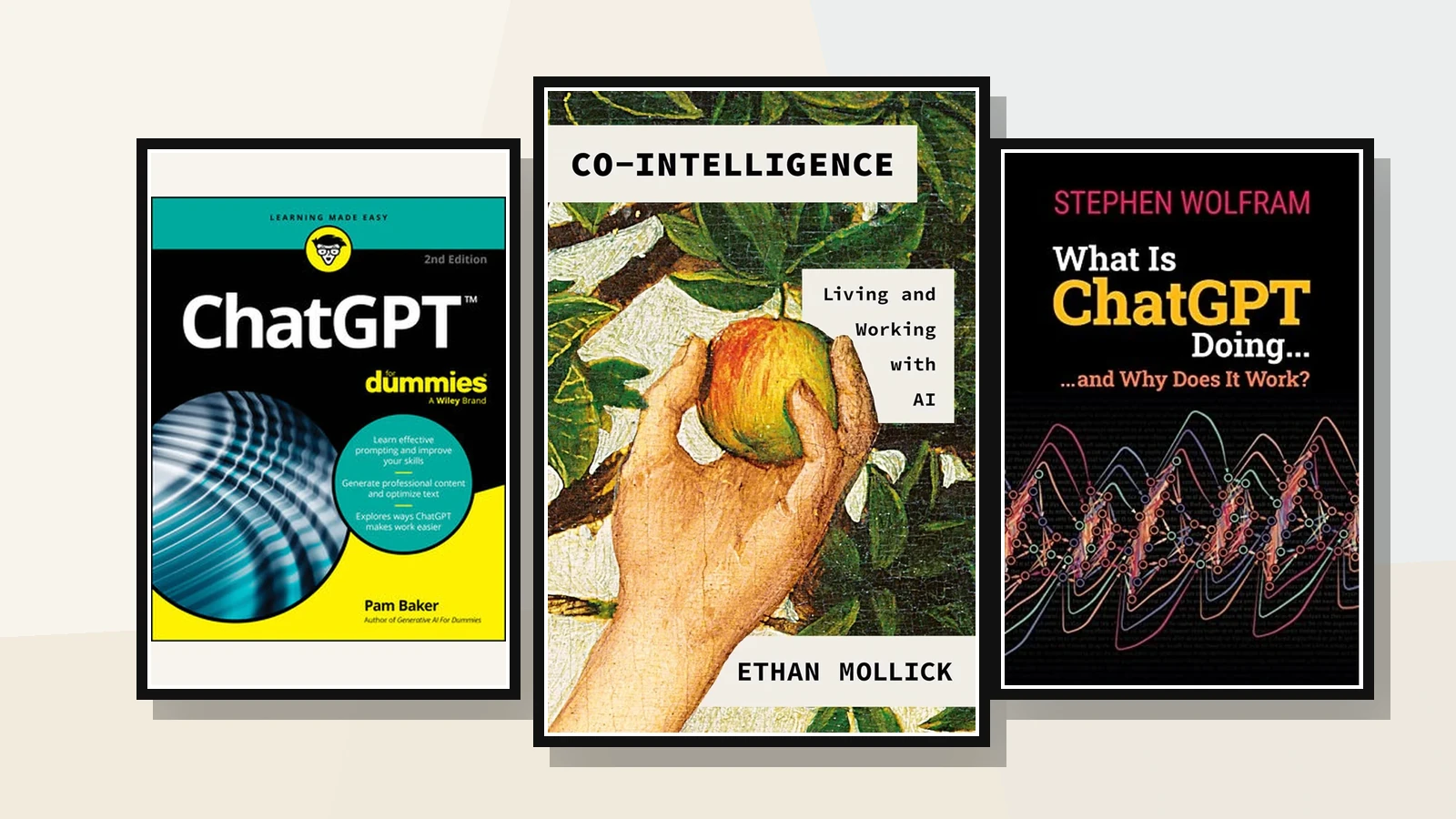
- Co-Intelligence: Living and Working with AI by Ethan Mollick (Portfolio, 2024): the strongest broad AI literacy book, an instant New York Times bestseller, but written for any knowledge worker rather than for executives making rollout, governance, and operating-model decisions. See our beginners list where it is the #1 pick.
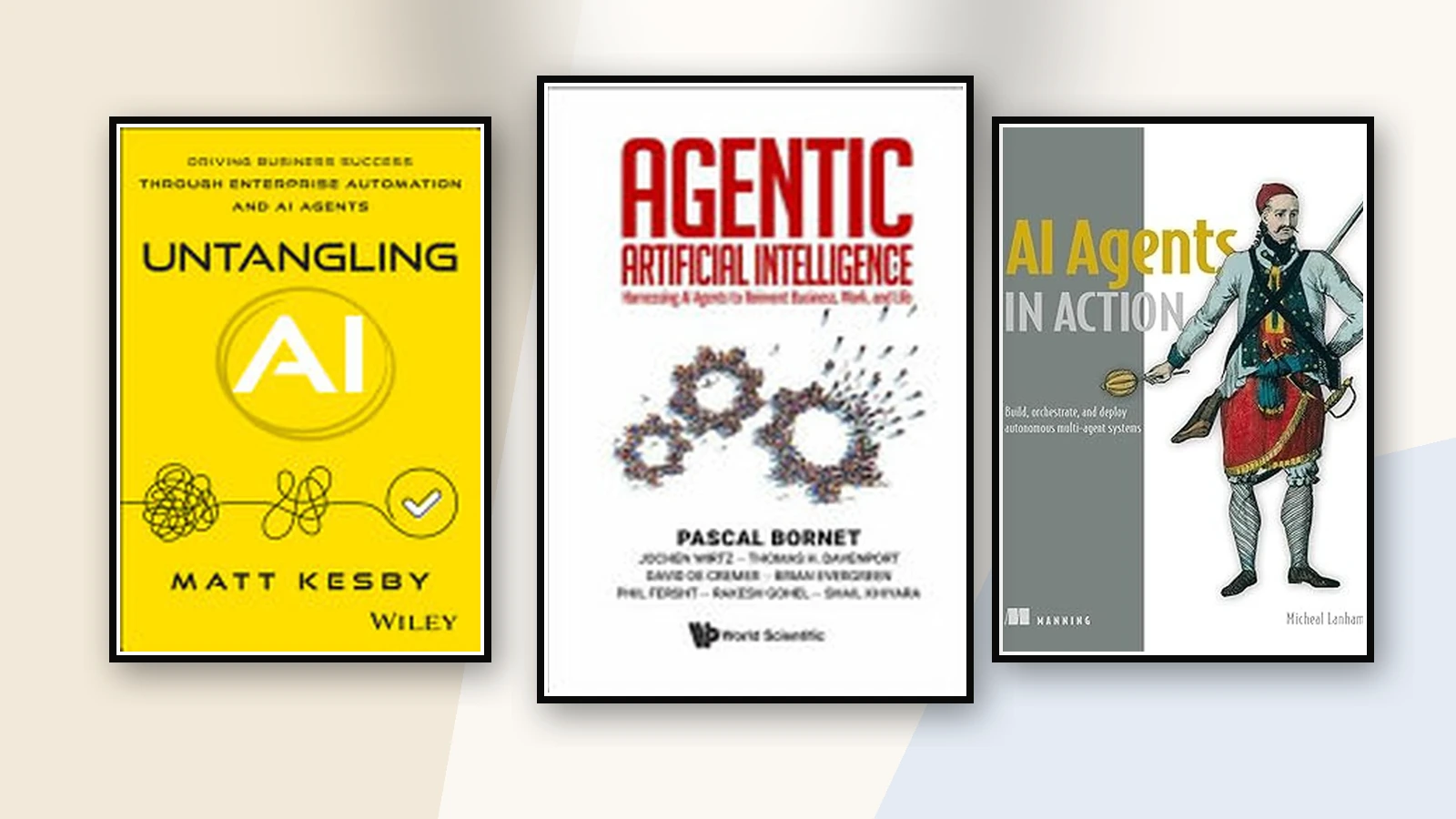
- Agentic Artificial Intelligence: Harnessing AI Agents to Reinvent Business, Work and Life by Pascal Bornet, Thomas H. Davenport, Jochen Wirtz, and 8 co-authors (World Scientific, 2025): the strongest agents-deployment book for non-technical leaders and a Forbes Top 10 Tech Book of 2025, but agent-specific rather than broad leadership. See our AI agents books guide at #1.
- AI First: The Playbook for a Future-Proof Business and Brand by Adam Brotman and Andy Sack (HBR Press, 2025): a Forbes Top 10 Tech Book of 2025, but the brand and customer-experience framing is narrower than the leadership-and-governance scope this list serves. Covered on our AI agents books guide at #3.
- All Hands on Tech: The AI-Powered Citizen Revolution by Thomas H. Davenport, Ian Barkin, and Chase Davenport (Wiley, 2024): a Forbes Top 10 Tech Book of 2024 but centered on citizen developers and democratized tooling, narrower than executive leadership decisions about AI strategy and risk.
- The Coming Wave: Technology, Power, and the Twenty-First Century's Greatest Dilemma by Mustafa Suleyman (Crown, 2023): the DeepMind co-founder's containment argument is essential AI canon, but its scope is policy and biosecurity alongside AI, not the leadership-decision lens this list favours.
- Human Compatible: Artificial Intelligence and the Problem of Control by Stuart Russell (Viking, 2019): the foundational alignment-and-control argument from UC Berkeley. Strong companion read for any AI-savvy executive, but taxonomically AI-safety rather than AI-leadership.
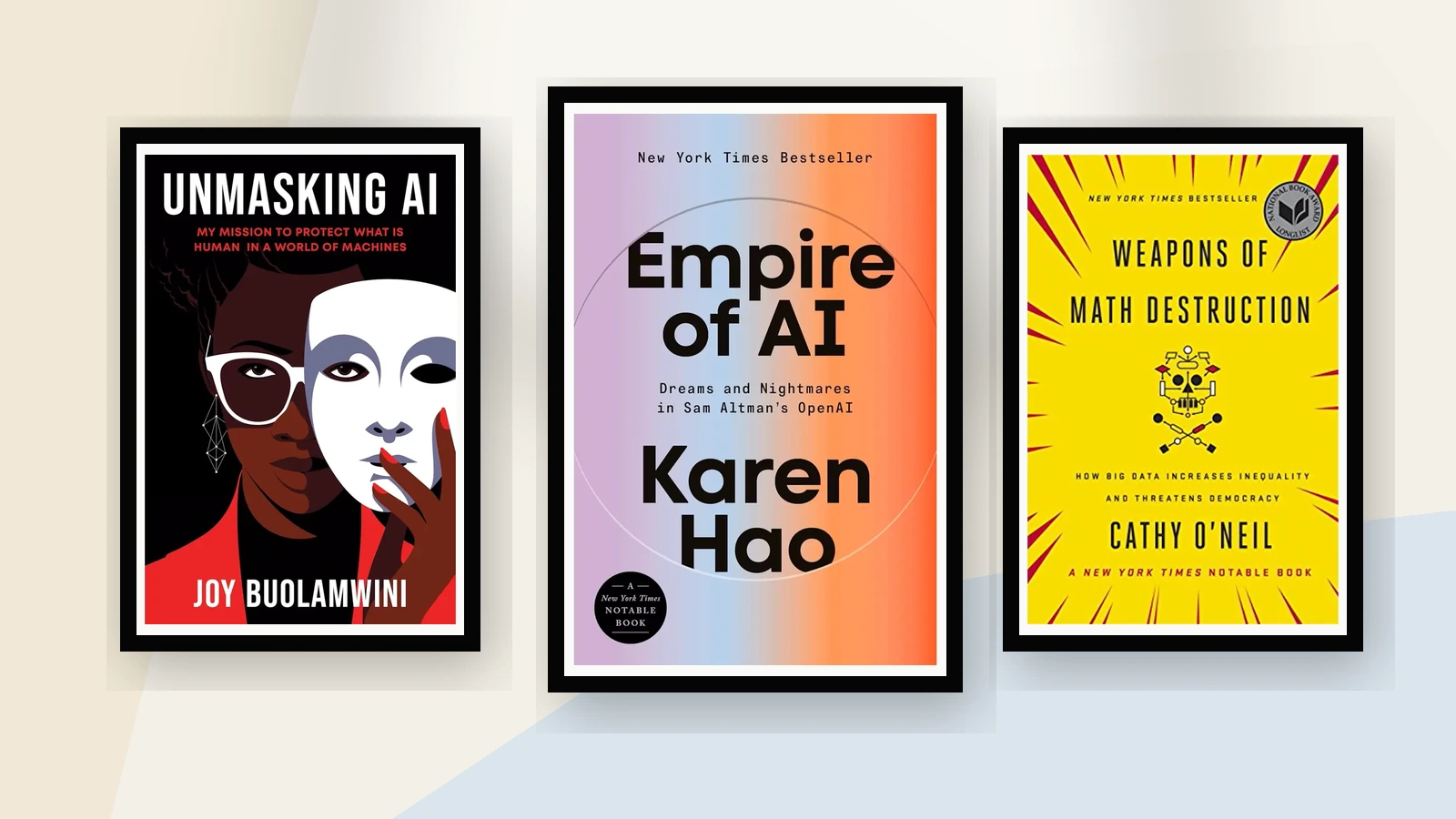
- Empire of AI: Dreams and Nightmares in Sam Altman's OpenAI by Karen Hao (Penguin Press, 2025): the 2025 National Book Critics Circle Award winner, but ethics-and-power journalism rather than a leadership manual. Covered on our AI ethics books guide at #1.
- Power and Prediction: The Disruptive Economics of Artificial Intelligence by Ajay Agrawal, Joshua Gans, and Avi Goldfarb (HBR Press, 2022): an economics-of-AI book framed through prediction cost and decision rights. Strong for an MBA reader but predates the post-ChatGPT leadership environment this list addresses.
- AI Superpowers: China, Silicon Valley, and the New World Order by Kai-Fu Lee (Houghton Mifflin Harcourt, 2018): a US-China geopolitics framing of AI from before the LLM era. Useful as historical context but not a current AI leadership primer.
Frequently Asked Questions
What is the best AI leadership book overall?
The best AI leadership book overall is AI-Powered Leadership if you want one book that can function as both an executive primer and a management manual. It is the most balanced starting point here because it explains human-AI collaboration, delegation, and system behavior without assuming a technical background.
What is the best AI book for executives who are new to artificial intelligence?
The best AI book for executives new to artificial intelligence is More Human because it is the most approachable entry on this list. Its focus on judgment, coaching, and empathy gives a new reader more handholds than the operational or governance titles before they dig into tooling.
Which AI book best explains artificial intelligence strategy for business leaders?
The best AI strategy book for business leaders is AI-First Leader when the immediate need is moving from interest to rollout. Its NovaBridge Health thread makes the book useful for sequencing infrastructure, evaluation, and responsible deployment, not just for talking about competitive advantage in the abstract.
What is the best AI leadership book on managing teams with artificial intelligence?
The best AI leadership book on managing teams with artificial intelligence is More Human because it reframes AI as a leader-behavior shift, not a productivity trick. Read it when you want better guidance on coaching and leader attention than on architecture, tooling, or vendor selection.
Which AI leadership book helps executives avoid hype and bad vendor claims?
The best AI leadership book for avoiding hype and bad vendor claims is AI Snake Oil. It is the most useful choice when a purchase, deployment, or board conversation depends on separating real capability from oversold claims, especially in high-stakes areas such as hiring, medicine, or moderation.
Are older AI leadership books still worth reading in 2026?
Older AI leadership books are still worth reading in 2026 when they solve durable leadership problems better than newer releases. That is why The AI-Savvy Leader earns its slot for adoption discipline, and AI Snake Oil earns its slot for testing claims before leaders buy or govern AI.
Do leaders need to learn machine learning before reading these books?
Leaders do not need to learn machine learning before reading these books. This list is built for executives, founders, managers, and board-level readers, so the books focus on decisions, rollout, and governance. If you want broader technical context first, start with our best AI books for beginners.
What to Read Next
For broader context, read our guide to the best AI books for beginners, the best AI marketing books, and Yoshua Bengio's AI safety warnings. For hands-on training, see our AI course guides. This list was last reviewed in May 2026 and is updated when important AI leadership books are released. Think we missed one? Let us know.