Lee has built on his 2018 argument without revising it: the lab race that validates his predictions now risks producing the unsafe products he warned about. Speed of deployment remains the variable; his October 2025 warning at TED AI shows how that risk has sharpened since.
1. Why Does Kai-Fu Lee Say AI Will Change the World More Than Electricity?
"I believe it's going to change the world more than anything in the history of mankind. More than electricity."Kai-Fu Lee, 60 Minutes, January 2019
Lee's electricity comparison frames AI as a civilizational inflection point rather than another productivity tool. Lee drew the comparison in a January 2019 60 Minutes interview with Scott Pelley, when most public discussion still treated AI as a niche technology. Andrew Ng had coined "AI is the new electricity" in 2017, two years before Lee's interview; Jensen Huang adopted the comparison later, making it the most replicated AI metaphor of the decade.
2. What Does Kai-Fu Lee Mean When He Calls AI a Serendipity?
"AI is serendipity. It is here to liberate us from routine jobs, and it is here to remind us what it is that makes us human."Kai-Fu Lee, TED Talk, April 2018
Lee's choice of "serendipity" to describe automation reframes displacement as opportunity rather than threat. Lee developed this case in his April 2018 TED Talk "How AI Can Save Our Humanity," at the same moment he was warning that 40 percent of jobs faced displacement within a decade. His thesis holds both claims together: automation of routine work is precisely what creates conditions for human capacities to become the defining economic asset. Love and creativity, in his framing, are where economic value migrates.
3. How Does Kai-Fu Lee Explain China's Delayed ChatGPT Moment?
"For Americans, the moment happened 17 months ago. China's users didn't have a ChatGPT moment. Until now, none of the Chinese chatbots or tools have been good enough."Kai-Fu Lee, Fortune, May 2024
Lee's diagnosis was product quality, not research talent: Chinese tools had not produced the visceral user response that ChatGPT generated when it launched in December 2022. Lee told Fortune's Saritha Rai in May 2024 that 01.AI's Wanzhi platform was designed to close that gap. DeepSeek's January 2025 open-source release, recognised by AI leaders as a turning point, reframed the China gap question within nine months.
4. What Does Kai-Fu Lee Identify as the Real Underlying Threat of AI?
"This, I believe, is the real underlying threat posed by artificial intelligence: tremendous social disorder and political collapse stemming from widespread unemployment and gaping inequality."Kai-Fu Lee, AI Superpowers, 2018
Lee places AI's core threat in social disorder rather than machine consciousness. Lee laid out the argument in the epilogue of AI Superpowers in 2018, when most public AI safety discussion focused on autonomous weapons or superintelligence scenarios. The mechanism is sequential: rapid job displacement produces inequality severe enough to destabilize governments. Geoffrey Hinton has since raised comparable concerns, though Hinton's threat model extends further to AI systems whose goals humans cannot reliably contain.
5. How Does Kai-Fu Lee Distinguish AI Job Displacement From Past Technological Revolutions?
"The invention of the steam engine, the sewing machine, electricity, have all displaced jobs...The challenge of AI is this 40 percent...is coming faster than the previous revolutions."Kai-Fu Lee, CNBC, January 2019. Excerpt.
Lee's point is speed, not scale: every prior technological revolution displaced workers, but AI compresses the adjustment period that historically allowed labor markets to adapt. Lee pressed the case in a January 2019 CNBC interview, framing 40 percent job automation within 15 years as survivable in isolation but dangerous at this pace. The OECD's 2023 employment outlook found AI affecting 27 percent of member-country workers, a rate that accelerated sharply after December 2022.
6. Does Kai-Fu Lee Think We Consistently Misread AI Timelines?
"We often overestimate what technologies can do in five years, and underestimate what they will be able to do in 20."Kai-Fu Lee, TIME, September 2021
Lee argues that timeline bias runs in both directions: short-term hype followed by disappointment, then long-term potential that consistently exceeds sober forecasts. Lee wrote the line in a September 2021 TIME excerpt from AI 2041, co-authored with fiction writer Chen Qiufan, which projected AI capabilities across ten scenarios set 20 years forward. The observation echoes Amara's Law from the 1970s; Yoshua Bengio draws a parallel distinction between benchmark progress and real-world deployment reliability.
7. Why Does Kai-Fu Lee Say Necessity Drives AI Innovation in China?
"Necessity is the mother of innovation, and there's clearly a huge necessity in China."Kai-Fu Lee, TechCrunch, November 2023
Lee's argument is that restricted access to US-developed models pushes Chinese labs to build capabilities domestically that American developers can outsource to OpenAI or Google. Lee made this point in a November 2023 TechCrunch article covering 01.AI's open-source model launch, as the startup crossed a $1 billion valuation in its first year of operation. The framing anticipated what DeepSeek demonstrated 14 months later: a team cut off from US-developed infrastructure matched frontier performance by rethinking the training approach from scratch.
8. How Does Kai-Fu Lee Compare the Urgency of AI to the Rise of Mobile Internet?
"When the mobile internet came, innovators didn't waste time debating; they just built. The same urgency applies to AI today."Kai-Fu Lee, The Astana Times, October 2025. Excerpt.
Lee's mobile internet analogy casts AI as a platform shift that rewards early movers over careful observers. Lee delivered the argument at Digital Bridge 2025 in Astana on October 2, 2025, pointing to mobile internet's journey from speculative platform to essential infrastructure as evidence that those who built early accumulated the most durable positions. Andrej Karpathy makes the same case from software: sixteen hours a day directing agents rather than waiting to see how the tools stabilise.
9. What Worries Kai-Fu Lee Most About the AI Race?
"...more worried about the AI race pushing people to work so hard, so fast and furious and move fast and break things that they build products that have problems and holes to be exploited."Kai-Fu Lee, VentureBeat, October 2025. Excerpt.
Lee's concern is that competitive pressure replaces safety review, producing products with exploitable gaps that bad actors identify before developers do. Lee pressed the point at TED AI in San Francisco in October 2025, where VentureBeat reported his wider assessment that the United States was already losing ground to China in AI hardware. Mustafa Suleyman has made the same argument from inside the labs, noting that deployment is accelerating while safety checks keep falling further behind.
What to Read Next
Lee is best read alongside researchers and executives who share his warnings about AI's economic risks or challenge his predictions about which countries and companies will capture the upside.
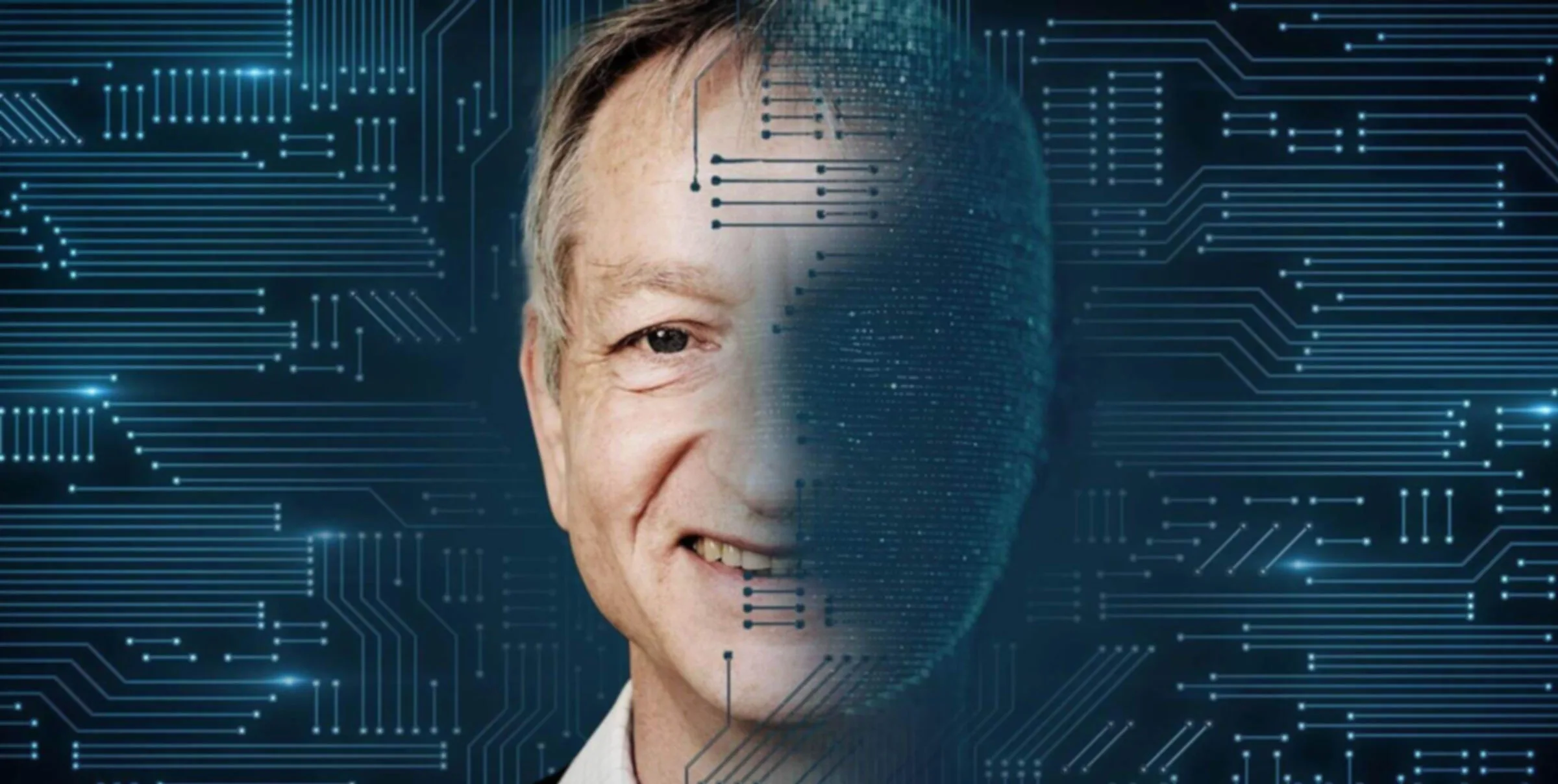
- Geoffrey Hinton quotes on AI risk: the researcher whose deep learning work underlies Lee's predictions, and whose own risk model now places AI goal misalignment above job displacement as the more urgent concern
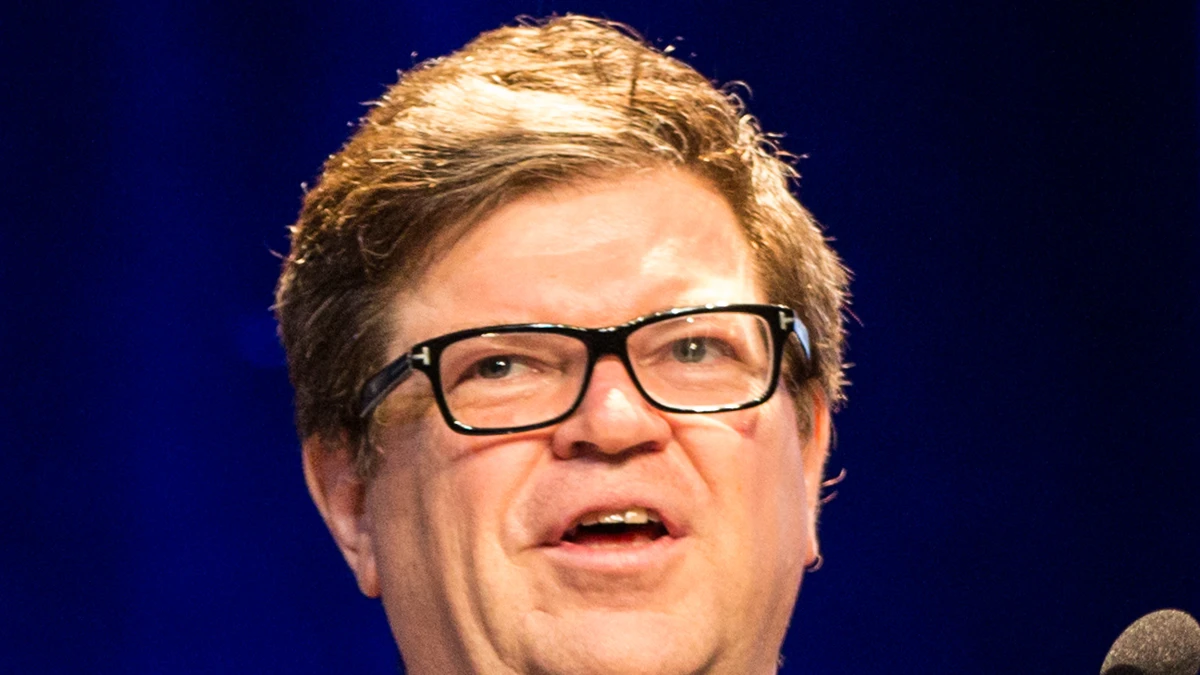
- Yann LeCun quotes on AI and open source: the AI researcher who shares Lee's openness to open-source models but disputes whether current LLMs can achieve what Lee's job displacement timeline requires
- Yoshua Bengio quotes on AI safety: a safety argument from a third Turing Award winner whose concerns about AI risk overlap with Lee's social disorder warning without sharing his optimism about Chinese implementation
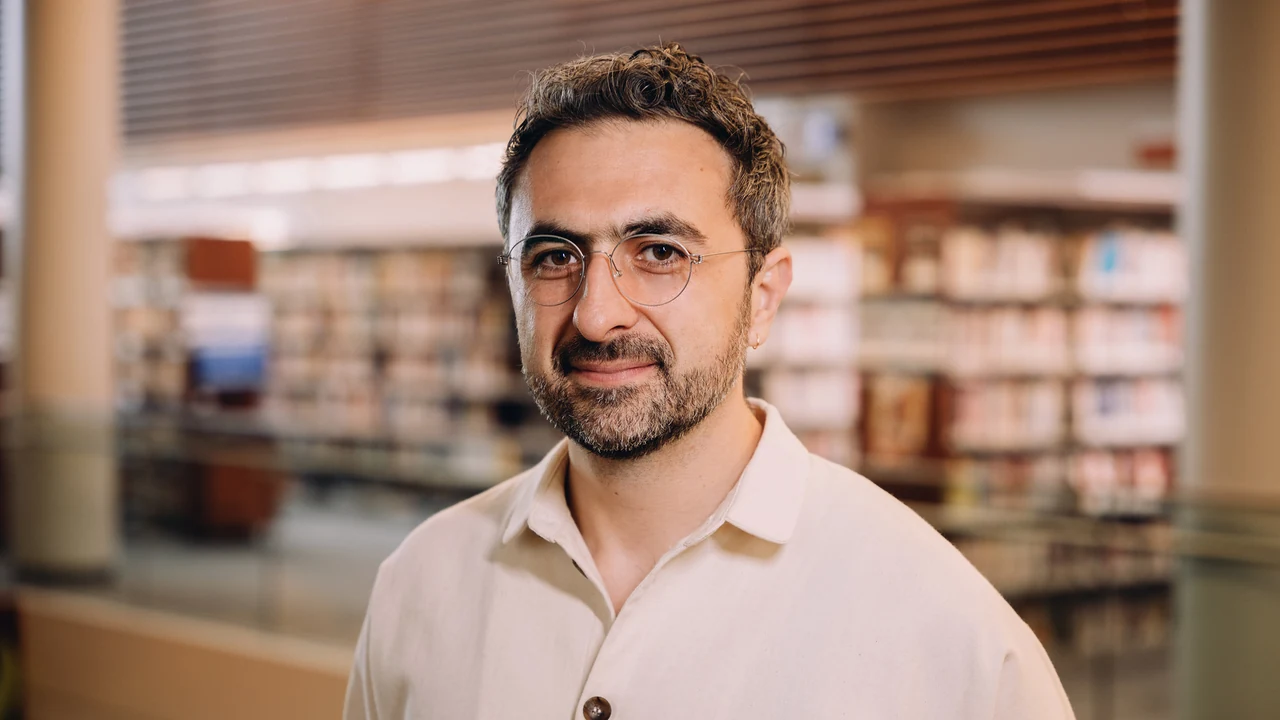
- Mustafa Suleyman quotes on AI: a closer argument that competitive pressure is already producing the unsafe deployments Lee warns about at position 9, from the co-founder of DeepMind
- All AI quotes: the full Aiifi collection of AI leader perspectives across work, automation, risk, and human-AI collaboration