Gates's argument joins optimism about abundant intelligence with a blunt account of displacement. Across essays and interviews from 2023 to 2025, Bill Gates moves from AI's platform-scale importance to the practical questions facing founders, coders and office workers as useful machine capability spreads.
1. Why Does Bill Gates Compare AI to the Personal Computer?
"The development of AI is as fundamental as the creation of the microprocessor, the personal computer, the Internet, and the mobile phone."Bill Gates, Gates Notes, The Age of AI has begun, March 2023
Bill Gates compares AI with the personal computer because he sees both as foundational computing shifts, not just new software tools. In his March 2023 Gates Notes essay, he made the comparison after watching an early GPT-4 pass an AP Biology test. Gates then connected AI to changes in work, learning, travel, health care and communication, with companies distinguished by how well they use it.
2. Bill Gates Calls AI Uniquely Dangerous and Unbounded
"We have to acknowledge that AI is almost uniquely dangerous because it’s unbounded in terms of how good it will get and it’s happening within a generation"Bill Gates, Associated Press interview, February 2025
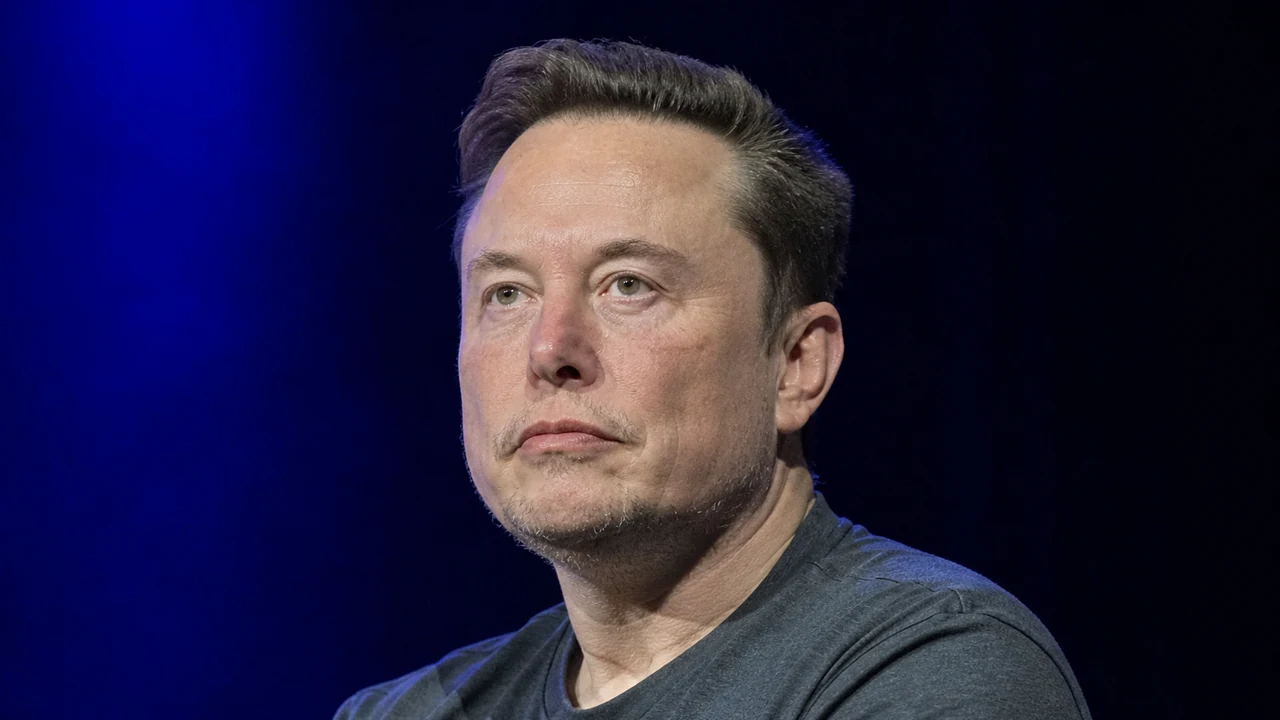
Bill Gates calls AI unusually dangerous because its capability has no clear ceiling and could improve within one generation. During a January 2025 Associated Press interview about Source Code, he paired excitement about GPT-4 with the warning, "You should be nervous." Gates said politicians and technologists should share information and shape the technology, a concern echoed by Elon Musk's warnings about AI risk.
3. What Does Bill Gates Mean by Free Intelligence?
"Intelligence will be completely free."Bill Gates, Harvard Magazine, Bill Gates on AI and Innovation, February 2025
By free intelligence, Bill Gates means AI could turn scarce expert knowledge into abundant machine capability. He made the statement at a February 2025 Harvard event with Arthur Brooks, where Harvard Magazine contrasted early computing's hardware and software constraints with current limits in AI training data and interpretability. Gates's practical consequence is a new division between tasks people assign to colleagues and those they delegate to machines.
4. How Does Bill Gates Think AI Will Change White-Collar Work?
"It is so dramatic how it improves white-collar productivity"Bill Gates, Bloomberg Television at Davos 2024, January 2024
On white-collar work, Bill Gates expects AI to raise productivity sharply. He made the statement at Bloomberg House during the World Economic Forum meeting in Davos in January 2024, where Bloomberg framed AI as the biggest productivity advance in our lifetime. Gates said the world would be richer, work less and have more. Compare that forecast with expert quotes on AI and the future of work.
5. Bill Gates Sees AI as an Accelerator for Science
"AI for material science, biology—it is a gigantic accelerator."Bill Gates, Possible podcast transcript, October 2024
Bill Gates expects AI to shorten research cycles in materials science and biology. On Reid Hoffman and Aria Finger's Possible podcast in October 2024, he used that prospect to reconsider green products that seem hardest to bring to zero green premium. His point stays bounded: AI tools can speed paths of innovation, but the selected statement does not say machines complete scientific work without people.
6. Does Bill Gates Think People Should Still Learn Foundational Skills?
"It's kind of like saying, should you learn to multiply, just because computers are really good at it"Bill Gates, Axios AI+ interview, February 2025
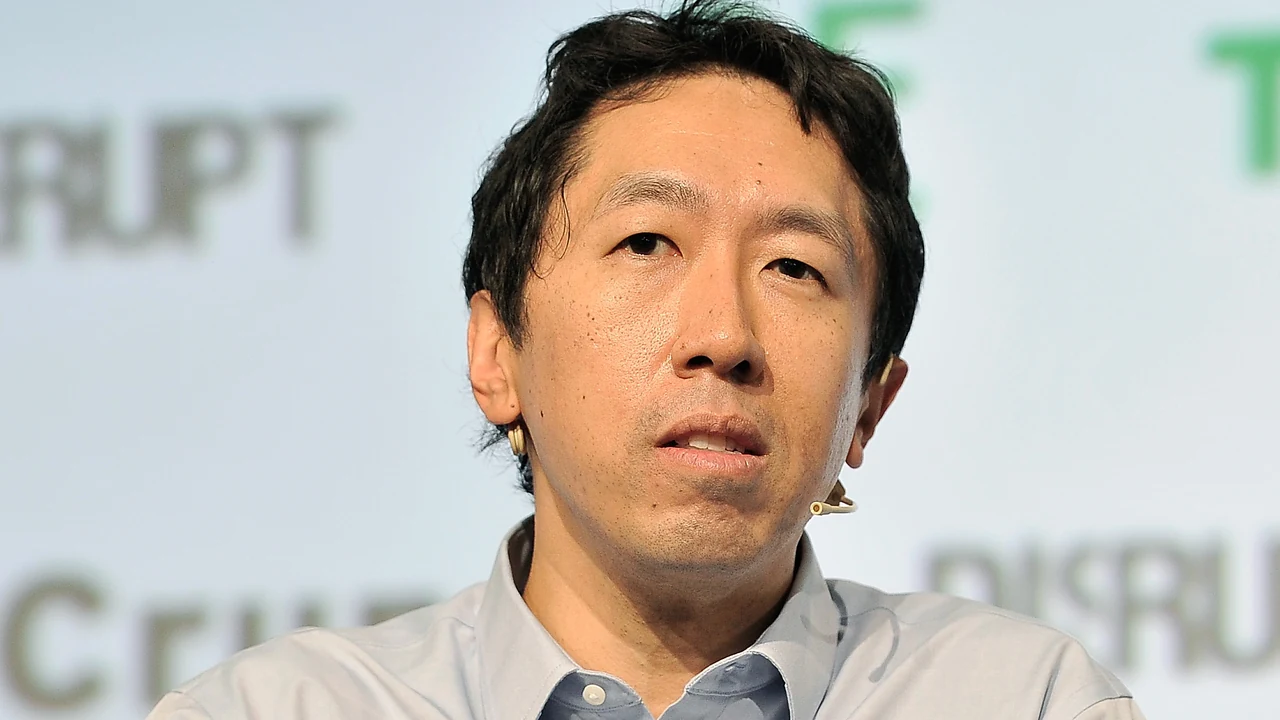
Yes, Bill Gates argues that people should still learn foundational skills when machines perform them well. His multiplication analogy appeared in a February 2025 Axios AI+ interview about coding and education, under the heading "Coding matters, even in an AI world." The lesson concerns both education and professional preparation. Andrew Ng's quotes on AI skills and jobs offer a practical comparison on adoption and employment.
7. What Would Bill Gates Look for in a New AI Company?
"Just believing in AI, that’s not very unique. So I would have to develop some unique view of how you design AI systems — something that other people didn’t get."Bill Gates, CNBC Make It interview, September 2024
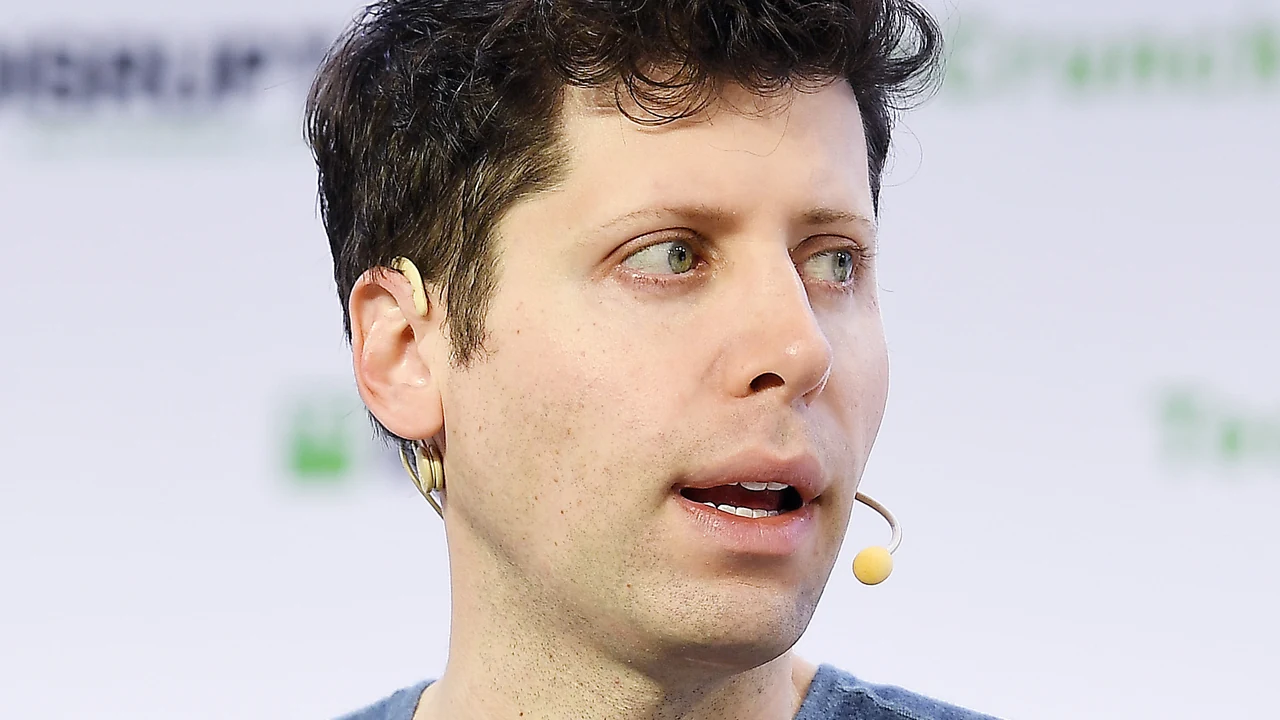
For a new AI company, Bill Gates would seek a specific technical or market insight rather than enthusiasm alone. CNBC asked in September 2024 how he would start Microsoft again as a young founder. Gates contrasted his once-unusual belief in software with today's common belief in AI. Sam Altman's quotes on AI companies and jobs add another founder's view of products, agents and employment change.
8. Does Bill Gates Think AI Will Surpass Human Capability?
"But anything that’s utilitarian, the A.I. will eventually surpass human capability."Bill Gates, Amanpour & Company transcript, February 2025
Yes, Bill Gates expects AI eventually to surpass people on utilitarian tasks. In a February 2025 PBS interview with Walter Isaacson, he separated useful machine performance from human feeling, interaction and consciousness. Medical diagnosis and factory work were his examples of software exceeding human capacity. The timing matters: Gates presented this as an eventual outcome, not a claim that machines already outperform people on each useful task.
9. How Much Coding Work Does Bill Gates Think AI Can Replace?
"Simple coding tasks, A.I. today can replace human work."Bill Gates, CNN Fareed Zakaria GPS transcript, July 2025
Bill Gates says AI can already replace human work on simple coding tasks, while the most complex coding remains beyond it. In a July 2025 Fareed Zakaria interview about AI and labour substitution, he also described AI helping with creative scientific work, including a new tuberculosis drug. His distinction between simple and complex work adds a concrete boundary to the question of when AI may take different jobs.
What to Read Next
Bill Gates's case for AI is easiest to test beside people who disagree about the pace and consequences of automation. These links compare his views on risk, skills, companies and job displacement with other builders, teachers and a broader work-focused quote collection.
- Sam Altman quotes on AI, jobs and risk: the OpenAI CEO's forecasts about agents, employment change and advanced AI capability
- Elon Musk quotes on AI, jobs and risk: another technology executive's account of civilization-scale danger, capability and work becoming optional
- Andrew Ng quotes on AI skills and work: a practical counterpoint on adoption, education, employment and claims of mass job loss
- Will AI take your job? 24 expert quotes: a wider comparison of predictions about automation, productivity and human judgment